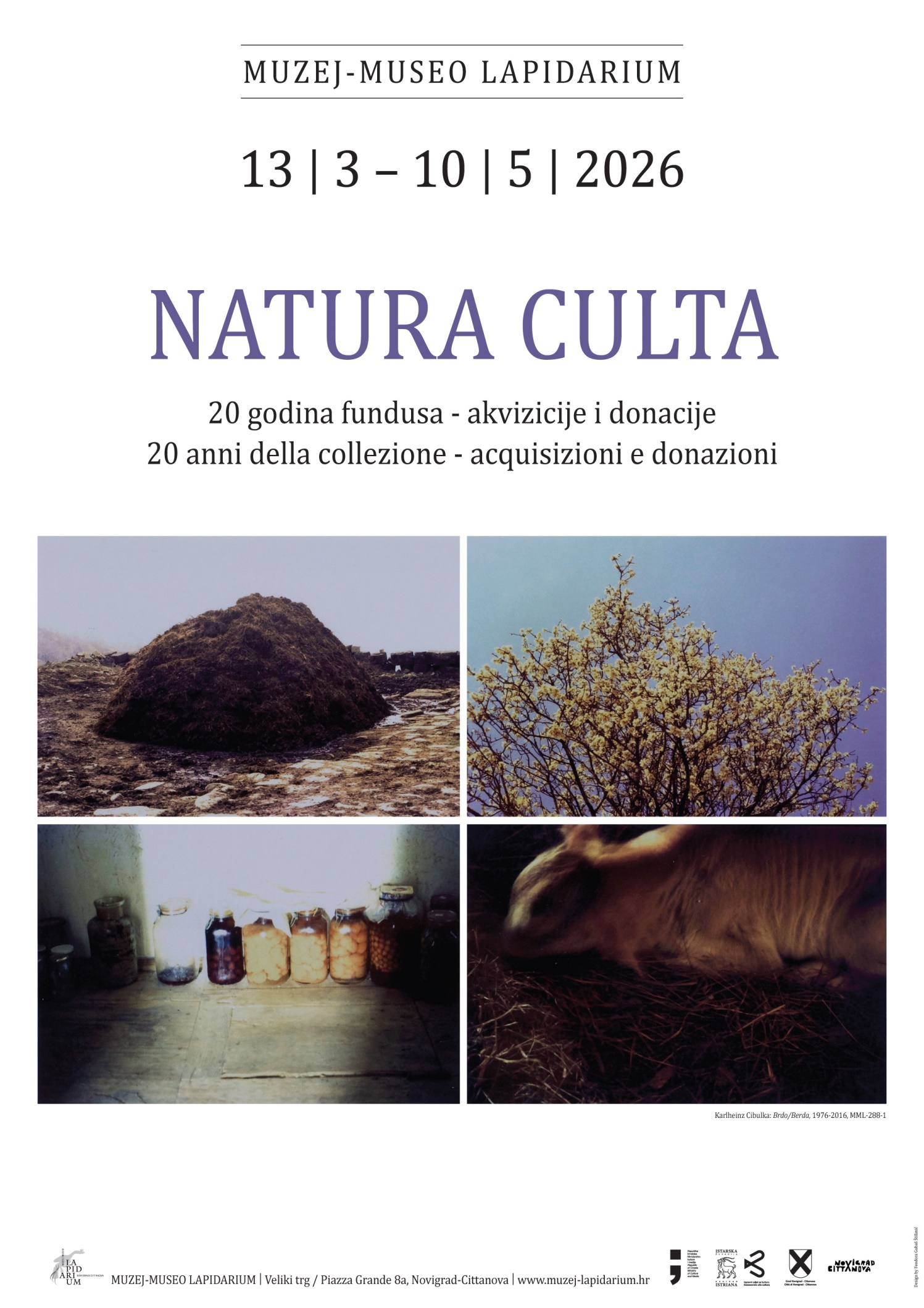
20 Years of the Museum Collection – Acquisitions and Donations
Muzej – Museo Lapidarium was founded in 2006 and has since operatedas a platform for culture and art. Although purpose-built to house the permanent display of the valuable Lapidarium collection, from the very beginning attention was dedicated to developing its museum holdings. Over the past twenty years, the museum holding has formed four distinct collections that have grown through donations, acquisitions, and production projects by artists who have exhibited at the museum or at Rigo Gallery. To mark this anniversary, we have dedicated the exhibition programme to the museum holdings themselves.
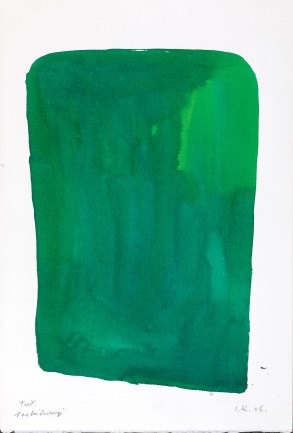
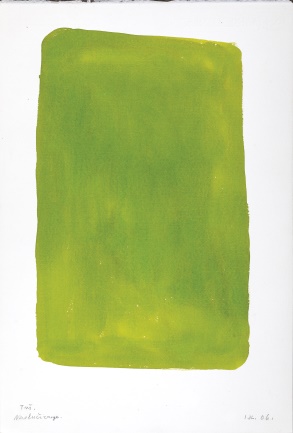
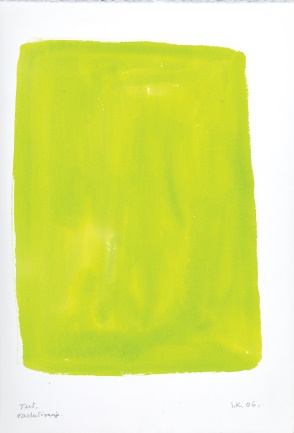
Ivan Kožarić, Naslućivanje, 2006 MML-54-56
These exhibitions present visually articulated concepts that view museum collections beyond the traditional framework of “collecting and preserving,” affirming them instead as multifaceted artistic and cultural phenomena. In doing so, museum objects exist not only as cultural heritage or aesthetic artefacts, but also as carriers of multlayer narratives. One of these narratives concerns the way museum material is acquired.
We therefore focus on donations and acquisitions, processes that often remain seemingly in the background of public activity, yet decisively shape the identity of the museum and the dynamics of its growth. Donations speak of trust and of recognising the museum as a place of permanent preservation, professional care and presentation, while acquisitions testify to thoughtful curatorial decisions and the strategic development of collections.
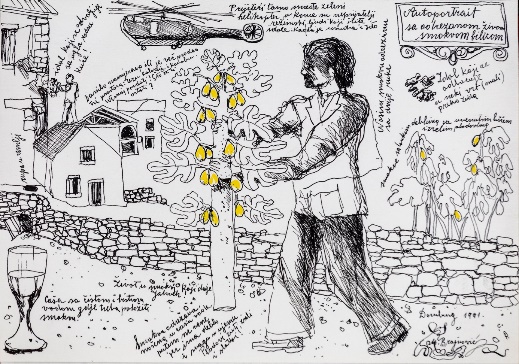
Marčelo Brajnović, Self-portrait with a cut live Bilica fig, 1991, MML-293
It is precisely through such approaches that our collections have largely been formed. This provides the immediate framework for two exhibitions that juxtapose donated and acquired works, bringing together diverse artworks, techniques, materials and authors into new thematic constellations and dialogical frameworks.
NATURA CULTA
The world around us is traditionally described as a harmony of natural and social systems, a network of relationships in which life processes and cultural practices continually intersect. The exhibition NATURA CULTA directs attention to these relationships, opening spaces of interplay where nature and culture emerge as mutually shaping forces.
The museum exhibition space here becomes a site of dialogue between artworks, objects, artists and audiences. A place where, among other encounters, graphic prints meet contemporary installations, drawings converse with photographs, sculptures with historical postcards, and philatelic stamps with posters.
We follow thematic and visual dialogues in which the landscape appears as a space of experience and memory; photography captures the transience of light; old postcards record historical everyday life; while paintings and drawings emphasise the endurance of gesture and line. The landscape reveals
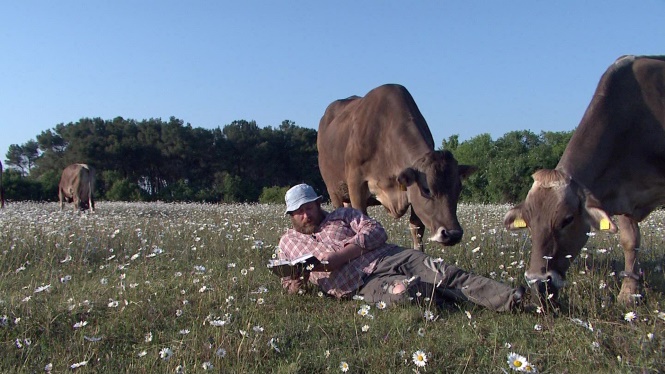
KUD Šikuti Machine, Vogrda, 2011., MML-212
itself as a space of mood, silence and movement; a place of return that shapes the gaze as much as it receives it.
Animals enter a realm of play, intimacy and symbolic meaning, from urban scenes to stylised figures and allegorical situations that evoke tenderness as well as wit and humour. Objects, documents and historical motifs introduce layers of economy, belief and collective memory, while materials such as wood, paper, gold and fabric shape nature as a cultural inscription and trace of the human hand.
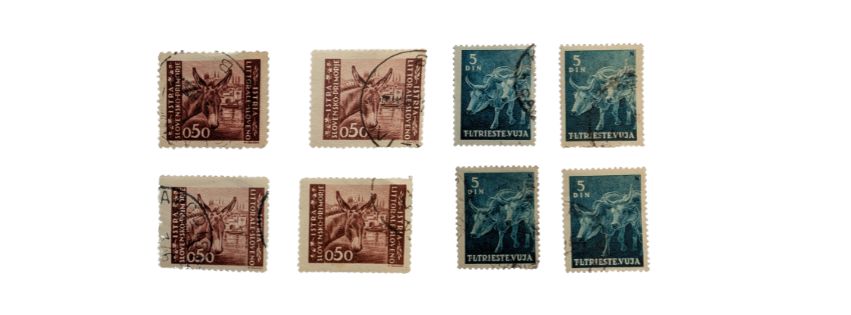
Album of postage stamps from the period of the Trieste Question, 1945–1953, MML-804
Subtle references among the exhibited works create a rhythm through which NATURA CULTA unfolds as a space of encounter where nature and culture act as intertwined processes, as a shared field of experience continually reread, remembered and reshaped. The exhibition forms a network of relationships between artists, materials, techniques and time, reminding us that every act of observation simultaneously participates in the world it observes.
The exhibition includes works from the museum’s Cultural-Historical Collection, the Poster Collection, and the Gallery Rigo Collection.